
History
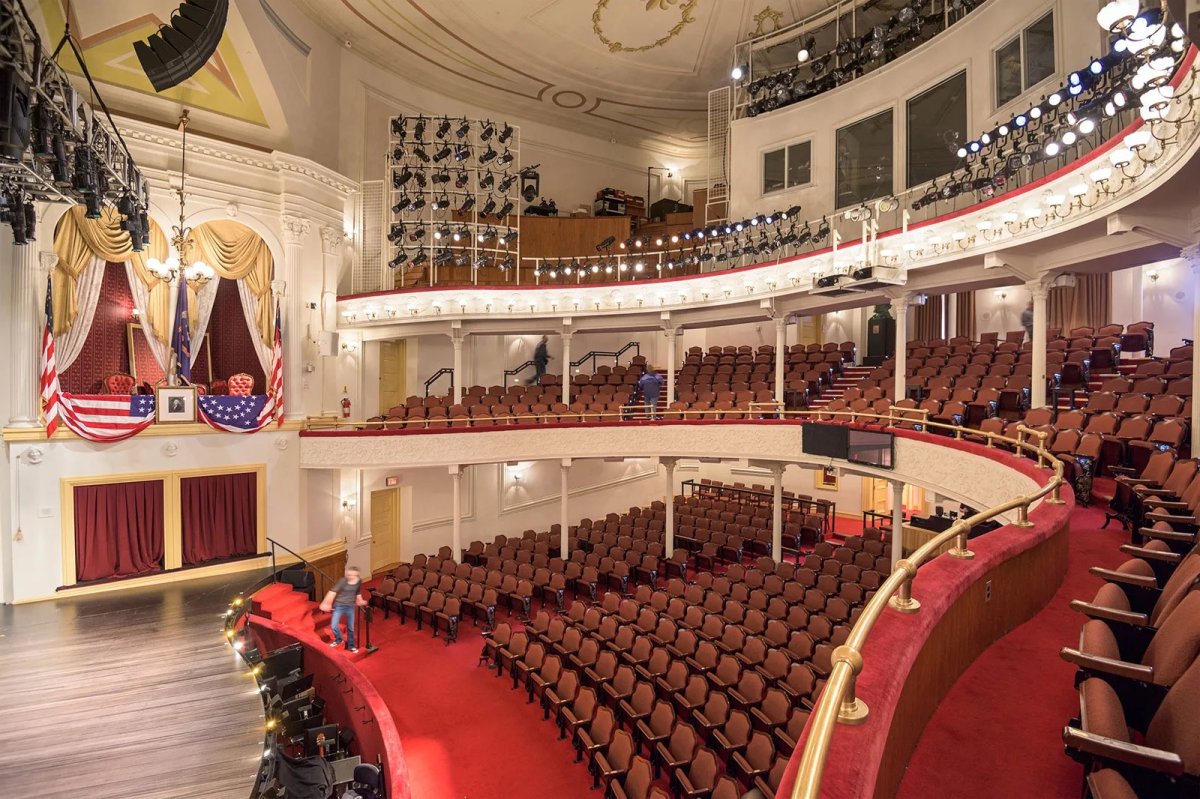
Ford's Theatre Collapses Killing 22 People on June 9,1893
WASHINGTON, D.C. (June 9, 1893) — A catastrophic collapse occurred at the interior of the former Ford’s Theatre—known as the site of President Abraham Lincoln’s assassination—killing 22 clerks employed by the War Department’s Records and Pensions Division and injuring at least 68 others.
After Lincoln's death in April 1865, the U.S. government converted Ford’s Theatre into offices for the War Department. By 1893, the aging building housed more than 500 clerks on its three floors. Many had voiced safety concerns, citing a bulging east wall and deteriorating plaster.
In early June, drills were underway in the basement to install an electric-light plant. On the morning of June 9, a key brick support pier gave way beneath a partition wall, triggering a dramatic collapse. The collapse rippled upward—each floor crashing down—to create a three-story, 40-foot chasm, one clerk described it as “a rumble like an earthquake” followed by a roar “like the end of the world”.
Notably, Basil Lockwood, a young African American worker, climbed a telegraph pole and held a ladder against a third-floor window, helping approximately 20 clerks escape. In gratitude, colleagues presented him with a gold watch and endorsed his hiring for a War Department messenger position—he was appointed three months later at $55/month.
A coroner’s inquest found contractor George Dant and War Department officials, including Colonel Ainsworth, negligent. Dant was faulted for failing to shore the piers during basement excavation, though criminal charges were eventually dropped. Bereaved families received compensation of approximately $5,000, and injured clerks received between $50–$5,000. Within months, floors were rebuilt. The building continued to house War Department offices until 1932. It later underwent major renovations—turned into a museum in 1932, restored to theatrical use in 1968, and preserved by the National Park Service through later restoration.
The June 9 tragedy stands as a stark reminder of the structural neglect that compounded historical importance. Today, Ford’s Theatre serves both as an active performance venue and a memorial. Visitors are reminded not only of Lincoln’s 1865 assassination, but also of the 22 lives lost nearly three decades later under its historic roof.
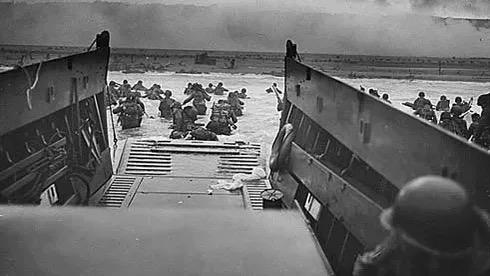
D-Day 81 Years Ago
June 6, 1944 — Known as D-Day, this historic date marked the beginning of the Allied invasion of Nazi-occupied Western Europe during World War II. The operation, formally known as Operation Overlord, was the largest amphibious military assault in history and is widely regarded as a crucial turning point in the war.
Planning and Preparation
D-Day was the result of months of meticulous planning by Allied forces, primarily involving the United States, the United Kingdom, and Canada. Under the supreme command of General Dwight D. Eisenhower, the Allies sought to open a Western front to relieve pressure on Soviet forces in the East and begin the liberation of Europe from Nazi control.Operation Overlord involved deception strategies—such as Operation Bodyguard—to mislead the Germans about the location and timing of the invasion.
Aftermath and Significance
By the end of D-Day, Allied forces had secured a foothold in Normandy, although at great cost. Approximately 4,400 Allied troops were confirmed dead, with thousands more wounded or missing. German casualties are estimated to be between 4,000–9,000.The success of D-Day paved the way for the liberation of Paris in August 1944 and eventually contributed to the defeat of Nazi Germany in May 1945.
Planning and Preparation
D-Day was the result of months of meticulous planning by Allied forces, primarily involving the United States, the United Kingdom, and Canada. Under the supreme command of General Dwight D. Eisenhower, the Allies sought to open a Western front to relieve pressure on Soviet forces in the East and begin the liberation of Europe from Nazi control.Operation Overlord involved deception strategies—such as Operation Bodyguard—to mislead the Germans about the location and timing of the invasion.
Aftermath and Significance
By the end of D-Day, Allied forces had secured a foothold in Normandy, although at great cost. Approximately 4,400 Allied troops were confirmed dead, with thousands more wounded or missing. German casualties are estimated to be between 4,000–9,000.The success of D-Day paved the way for the liberation of Paris in August 1944 and eventually contributed to the defeat of Nazi Germany in May 1945.